August 10, 2026
7:18 PM
Book Club Questions for The Secret Diary of Rome
Book Club Questions for The Secret Diary of Rome
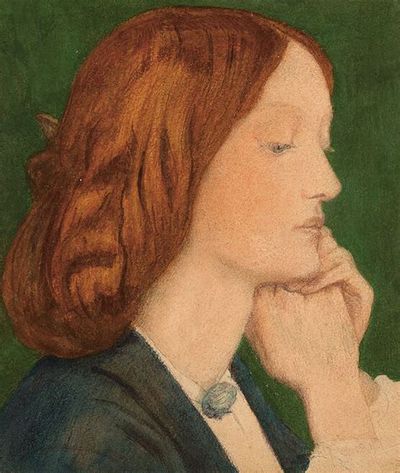
- The gothic opening scene of this novel is taken from an actual event: the exhumation of Lizzie Siddal’s tomb. How does it establish the tone and theme of the book (buried secrets)?
- What did you think of the main characters, Emilia and Lizzie? Did you like them? Whom did you relate to the most/least?
- The book is divided into four sections that define the stages of restoring a book: stabilization, cleaning, repair, and restoration. How does each one relate to Emilia’s development as a character, both as she processes of her grief and deals with betrayal? What events cause her to move through each stage?
- Rome is essentially a character in this book—especially the Via Margutta. In what way does the sense of place define the plot and the essence of how Italy touches the main protagonist, Emilia?
- One of the main tropes in the book is “family secrets.” How do they cross generations and create misunderstanding that can change lives? Should we, like Emilia, consider the part “good intentions” play in such subterfuge?
- Lizzie Siddal is considered one of the first “supermodels,” as the famous muse of several Pre-Raphaelite artists, which places her in a different world from her working-class roots. But how is her beauty both a blessing and curse?
- Laudanum—opium tincture—addiction figures prominently in Lizzie’s diary; however, she was typical of many women during her time who were recommended by male doctors to take it for “nervous conditions.” Would you see any modern parallels to today?
- What did you think about the ending in the subterranean Underground City of Rome? One of the challenges of historical fiction is writers can’t always give actual figures a “happy ending.” Nevertheless, do you feel both narratives were tied up appropriately?
- How did the book change you? Do you have a different perspective on Victorian and/or mid-twentieth century women?
May 20, 2024
2:42 PM
Book Club Questions
Book Club Questions for The Lost Dresses of Italy
- This novel is a dual narrative that takes place in the 1860s, featuring Victorian poet, Christina Rossetti, and the 1940s after WWII—both settings in Italy. How did you feel about that narrative technique? Did you like the two perspectives? Did the suspense woven around the two protagonists hold your interest? Was there anything you wish had been included?
- The main theme of this book is taken from Rossetti’s sonnet sequence, the Monna Innominata—the “hidden woman.” What are the secrets that women hide in both narratives? How does each woman’s era propel her into hiding some part of herself?
- What did you think of the main characters? Did you like them? Were they believable? Whom did you relate to the most/least?
- The twentieth-century protagonist is a costume curator who’s been asked to create an exhibit of Rossetti’s three dresses which were left hidden for a century in a trunk in Verona; the dresses hold the clues to what happened. How are the textiles in this book central not only to the mystery but also the connection between the two women? As such, do we need to reconsider dresses as important artifacts about women’s lives?
- Are there any passages, scenes, or poems that you found particularly compelling, especially the excerpts from Christina Rossetti’s verse?
- What do you think the symbol of “the nightingale” means, especially because much of this novel takes place in Verona, Italy—the city of Shakespeare’s Romeo and Juliet.
- The Fata Morgana is both a poem of “a blue-eyed phantom” in the novel and a foreshadowing of what is to come to Christina Rossetti—the dream that is always just out of reach for her. How does that connect to you? Do we all have a Fata Morgana?
- Italy is essentially a character of its own in this work. How does the sense of place define the plot and the essence of how the history of this country touches each character? How are we affected, both positively and negatively, by the events that occur around us (such a WWII)?
- What did you think about the ending? One of the challenges of historical fiction is writers can’t always give actual figures a “happy ending.” Nevertheless, did you feel both narratives were tied up in a satisfying way?
- How did this book change you? Do you have a different perspective on Victorian women? Did you learn something you didn’t know before (such as the poetry of Christina Rossetti?